Home Improvement Projects That Actually Add Value (and Which Ones Don’t)
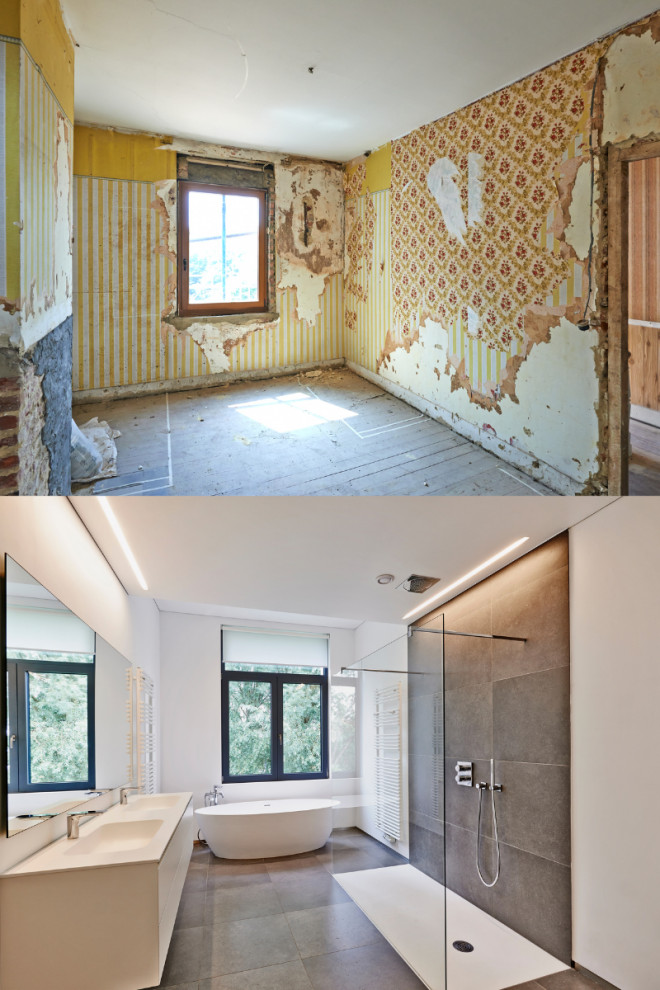
Some upgrades make your home more comfortable and increase its value. Others look great on social media but don’t hold up long-term or return much when it’s time to sell. If you’re planning updates this year and want to spend your money wisely, here’s a clear breakdown of what tends to pay off and what usually doesn’t.
Projects That Consistently Add Value
These are the upgrades we see delivering the best return for homeowners in daily use and long-term value.
Kitchen Updates (Not Always a Full Remodel)
You don’t need a magazine-worthy kitchen to see results. Small changes can make a big difference without the cost of a full renovation.
High-value kitchen upgrades include:
- Updated countertops
- New cabinet hardware
- Improved lighting
- Modern faucets
- Fresh paint or refaced cabinets
Bathroom Improvements
Bathrooms are one of the most valuable rooms in the home. Function matters just as much as style here, especially when water is involved.
Smart upgrades:
- New vanities
- Updated fixtures
- Better lighting
- Proper ventilation
- Clean, modern tile
Flooring Updates
Old, worn flooring is one of the first things people notice. Choose materials that hold up well to daily use and are easy to maintain.
Projects that add value:
- Replacing damaged carpet
- Updating outdated tile
- Installing durable, neutral flooring
Energy-Efficient Improvements
Energy efficiency doesn’t always look exciting, but buyers care. These improvements reduce monthly costs and appeal to future buyers.
High-impact upgrades include:
- Improved insulation
- Updated windows or doors
- Efficient lighting
- Water-saving fixtures
Projects That Often Don’t Pay Off
Some upgrades feel exciting but don’t always translate into real value.
Overly Trendy Design Choices
Bold patterns, ultra-specific styles, or trendy finishes can date a home quickly. Trends fade. Neutral, timeless choices last longer.
Examples:
- Highly customized tile
- Unusual color palettes
- Ultra-modern features in traditional homes
High-End Luxury Additions
Luxury upgrades don’t always equal higher value. These features can be great for personal use, but don’t always offer a strong ROI.
Common examples:
- Built-in espresso machines
- Smart features that quickly become outdated
- Over-customized storage
DIY Projects Done Incorrectly
DIY can save money if it’s done right. Poor workmanship often costs more to fix later.
Problems arise when:
- Waterproofing is skipped
- Electrical or plumbing work isn’t properly installed
- Finishes look uneven or unfinished
How to Decide What’s Worth It for Your Home
Before starting any project, ask yourself:
- Does this improve function?
- Will it age well?
- Does it fit the style of my home?
- Would I appreciate this even if I wasn’t selling?
If the answer is yes to most of those, you’re probably making a smart investment.
Smart Planning Saves Money
The best home improvements are usually the most thoughtful. Not the biggest.
At Right Way Restore, we help homeowners prioritize upgrades that make sense for their space, budget, and long-term goals. Whether you’re planning small updates or a larger renovation, starting with the right information makes all the difference.
📞 614-266-8954
📧 admin@rightwayrestore.com
🌐 RightWayRestore.com